
Tag: Banking

  • Illinois Farmer Sentenced in $8.4 Million Bank Fraud Scheme

    Illinois Farmer Sentenced in $8.4 Million Bank Fraud Scheme

    An Illinois farmer has been sentenced to 42 months in federal prison for obtaining approximately $8.4 million in bank loans using false documents. He was also ordered to repay nearly $5 million.

    Travis L. Murphy, 55, of Chandlerville, must serve three years of supervised release and pay UMB Bank $4,966,624.01 in restitution, according to WAND.

    In 2016, Murphy obtained a $1.762 million line of credit from UMB Bank. To support his application, he allegedly claimed a grain complex had cost about $2.65 million to build, though the actual cost was approximately $986,000. He also submitted false tax returns.

    The bank relied on the documents to extend the initial credit and issue additional loans, bringing the total to about $8.4 million. Murphy later sought to discharge the debts through bankruptcy.

    The scheme was uncovered during bankruptcy proceedings, with assistance from the U.S. Trustee Program and Chapter 7 trustee Andrew S. Erickson. In a 2020 opinion, Judge Mary P. Gorman denied Murphy’s request to discharge the debts.

    A federal grand jury in the Central District of Illinois indicted Murphy on bank fraud charges in 2023. He pleaded guilty in 2025.

    At sentencing on September 21, 2026, the court ordered Murphy to repay UMB Bank $4,966,624.01. UMB, headquartered in Kansas City, Missouri, reported about $72.35 billion in assets in the second quarter, according to the Federal Reserve.


  • Chinese Hackers Target Latin America with “SparroWocky” Backdoor

    Chinese Hackers Target Latin America with “SparroWocky” Backdoor

    Alleged Chinese hackers are targeting Latin American government agencies with a new backdoor called “SparroWocky,” according to ESET researcher Alexandre Côté Cyr. Since August 2025, the campaign has affected countries including Guatemala, Honduras, Puerto Rico, Panama, Venezuela, Peru, and Argentina. This long-running operation, linked to the Chinese group FamousSparrow, is unusual because Chinese cyber espionage usually targets multiple regions simultaneously. ESET suggests the campaign aims to monitor U.S. influence in Latin America, especially as the U.S. under Trump has increased pressure on Chinese investments in the region. One Panama target involved in a dispute over ports is notable, as Trump has sought to challenge Chinese control of port operations and the Panama Canal.

    The malware, named SparroWocky after the “Jabberwocky” poem by Lewis Carroll, is sophisticated and designed to hinder analysis. It can exfiltrate files, take screenshots, and gather system info like IP addresses and usernames. The campaign has been active since at least 2019, initially targeting hotels before shifting focus to governments, trade groups, and international organizations. FamousSparrow, the group behind the campaign, has been linked to Salt Typhoon, a Chinese cyber espionage operation accused of breaching U.S. government and corporate targets.

  • NY Couple Sentenced for $150K Theft from Elderly Man

    NY Couple Sentenced for $150K Theft from Elderly Man

    A couple from Belmont, New York, Bonnie Stiner, 56, and Craig Stiner, 55, have been sentenced to two years in prison plus probation after they stole more than $150,000 from a 92-year-old man in Delaware. The theft occurred between January 2022 and March 2023, during which the Stiners repeatedly accessed the elderly man’s bank account, spending the money on bills, vacations, and entertainment. Craig Stiner also drove the victim to his bank, took hundreds of valuable coins from his safe deposit boxes, and pawned them with his wife. The elderly man has since died.

    Both pleaded guilty to felony theft and conspiracy in the second degree, with their sentencing finalized on August 31, 2026. Delaware Attorney General Kathy Jennings condemned the scheme, calling it utterly despicable to steal a lifetime’s savings from a nonagenarian. She emphasized that although nothing can undo the harm caused, the offenders will serve their time and pay restitution to the victim’s family. The case was prosecuted by Delaware’s Economic Crimes Unit with assistance from the Wilmington Police Department.

  • Cybercriminal Group Demands $3 Million Ransom from Revolut After Stealing Data of Over 680 Customers

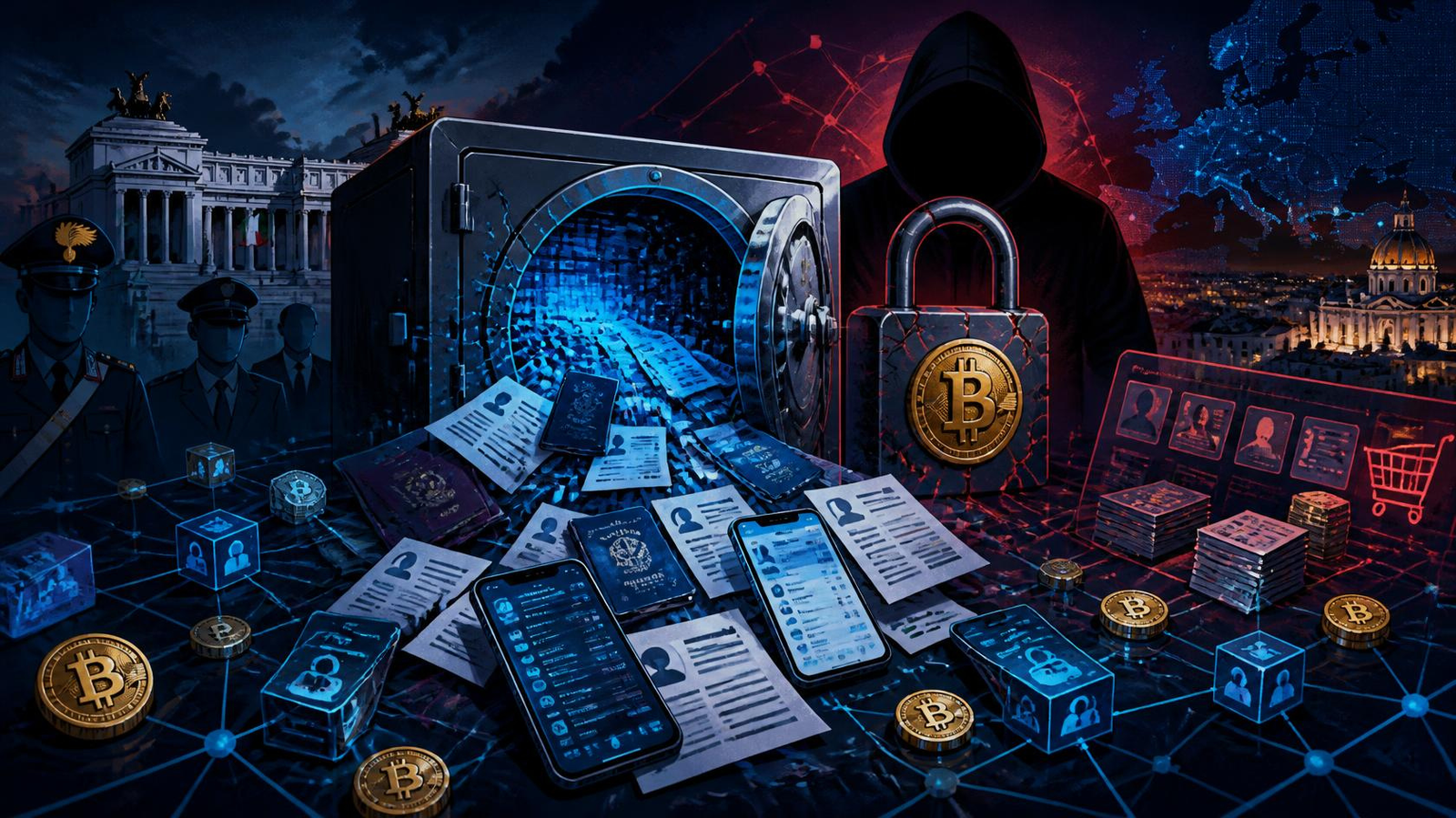
    Cybercriminal Group Demands $3 Million Ransom from Revolut After Stealing Data of Over 680 Customers

    A cybercriminal group known as iamnotavillain has issued a threatening ransom demand after allegedly stealing sensitive customer data from Revolut, a major digital banking platform. The group is demanding approximately $3 million worth of Monero (XMR) in cryptocurrency to prevent the sale of the stolen information.

    According to reports from Traders Union, the hackers claim to have compromised the accounts of at least 680 Revolut customers. The stolen data reportedly includes passports, driver’s licenses, identity verification images used for know-your-customer checks, and detailed transaction histories. The cybercriminals posted an online ultimatum, demanding the ransom payment to be made in 6,000 Monero, a privacy-focused cryptocurrency.

    The Financial Times reports that the hackers gained access by infiltrating an Italian government email system and then impersonating law enforcement officials over several months. During this period, they allegedly requested information on specific Revolut accounts. The group used blockchain analysis techniques to identify accounts with significant cryptocurrency holdings, making them high-value targets.

    A brief video screenshot provided to the Financial Times appears to show access to what seem to be Revolut documents matching the categories of stolen customer records. Revolut has not issued an official comment regarding the ransom demand. However, the company has assured affected customers that it is providing support and collaborating closely with law enforcement and regulatory agencies to address the breach.

    At this stage, there are no reports of negotiations taking place. The hackers have warned that if their demands are not met, the stolen data will be sold to other criminal groups, potentially leading to further misuse or fraud.

    Revolut, which serves approximately 80 million customers across more than 30 countries, recently achieved a valuation of $115 billion through a secondary share sale. The incident adds to the growing concerns over cybersecurity threats targeting financial services firms. Previously, reports indicated that attackers had begun publicly posting some of the stolen customer data and demanding ongoing payments, raising alarm over the security of digital banking platforms.

Home
No KYC
News