In an era where almost every aspect of our lives is digitized, the line between convenience and surveillance has become dangerously thin. From social media networks and fintech apps to online marketplaces, platforms increasingly demand that users verify their identity.
This process, known as Know Your Customer (KYC), requires you to hand over highly sensitive government-issued IDs, facial scans, and proof of address. While corporations and regulators defend KYC as a necessary tool to combat fraud, the reality is starkly different. Over-verifying on every platform has turned into a massive liability for ordinary citizens, transforming personal privacy from a default state into a luxury we are actively losing.
Here is why digital privacy is a fundamental necessity for human freedom, and why you should avoid doing KYC on every platform.
Privacy is not about having something to hide
The most toxic myth of the digital age is: “If you have nothing to hide, you have nothing to fear.” This dangerous misconception misunderstands the very nature of privacy.
Privacy is about autonomy, dignity, and protection. It is the power to selectively reveal ourselves to the world. When you lose privacy, you lose the freedom to think, speak, and act without the chilling effect of constant surveillance.
Without privacy, your data—your spending habits, location history, and personal associations—is continuously harvested. This information is then used by corporations to manipulate your behavior through targeted advertising, or by algorithms to dynamically adjust prices based on what a company thinks you can afford. Privacy is not secrecy; it is a shield against exploitation.
The KYC Trap: Creating Corporate ”Honeypots” for hackers
When a platform forces you to complete a KYC check, they aren’t just looking at your ID; they are storing it. Every platform that mandates KYC builds a massive database of raw passport photos, driver’s licenses, social security numbers, and biometric data.
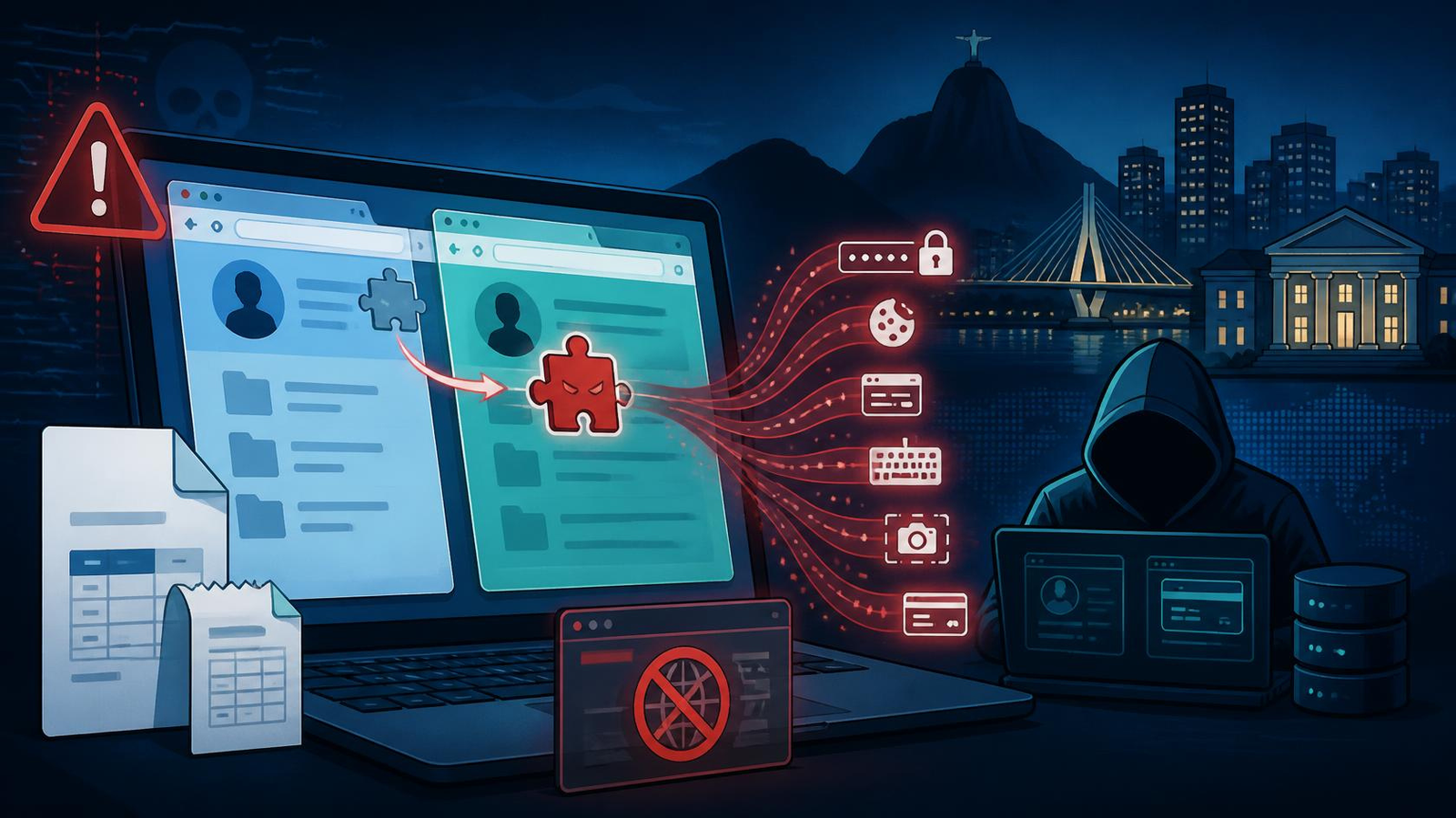
In the cybersecurity world, these databases are known as honeypots. They are highly lucrative targets for malicious hackers, and history has proven that no company is unhackable. When a traditional password leaks, you can change it in seconds. When your passport, face scan, and home address leak, you cannot change them.
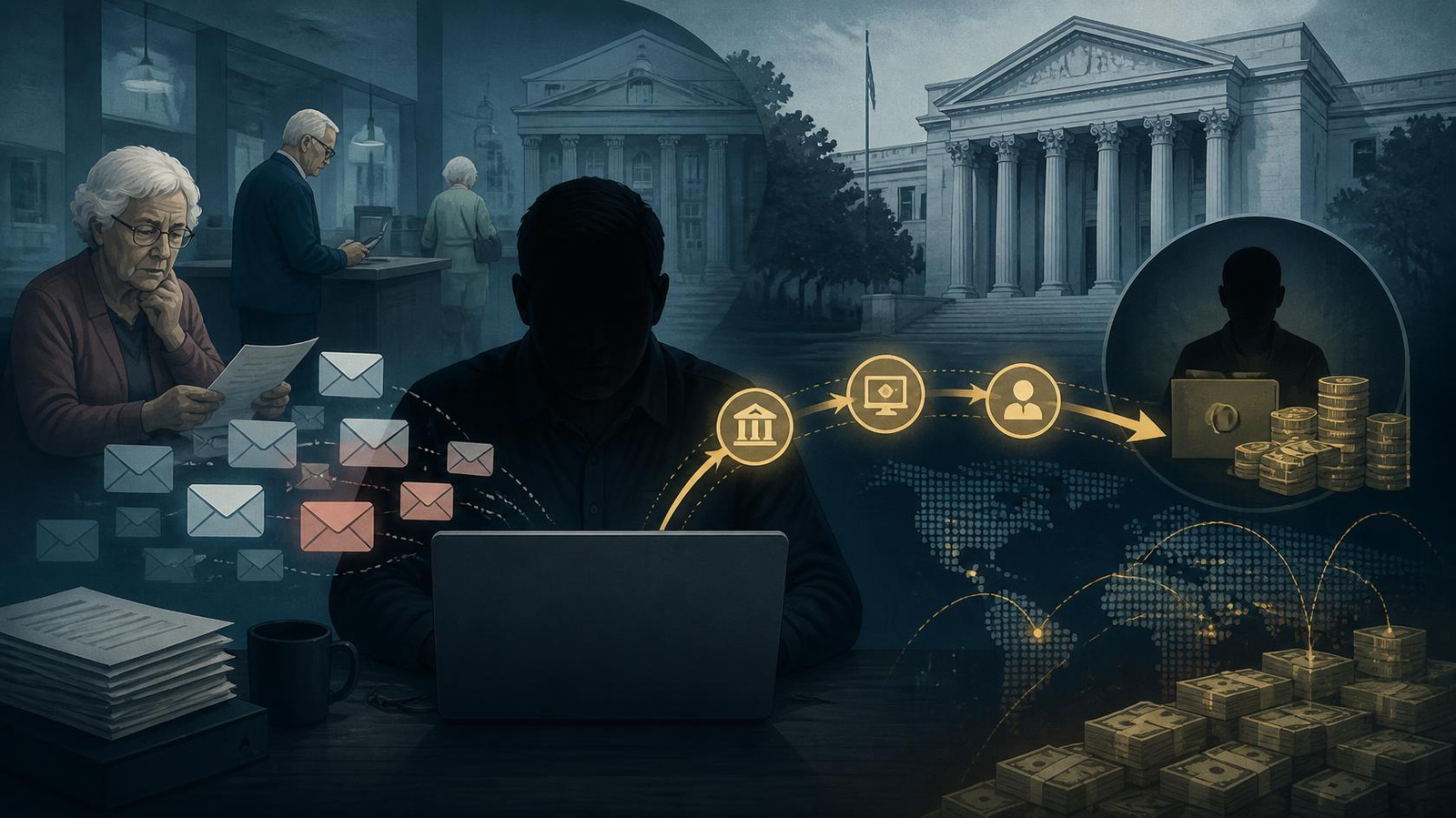
By complying with KYC on non-essential, minor, or poorly secured platforms, you are actively gambling with your permanent identity. If a breach occurs, that data ends up on the dark web, fueling highly sophisticated identity theft, phishing campaigns, and financial fraud against you.